Guide · Materials, plainly explained
What paper are trading cards printed on?
Many trading cards are printed on cardstock, a heavier and stiffer paper material than ordinary writing paper. The feel also depends on thickness, construction and surface finish. There is no single paper weight or coating that describes every trading card.
Want a finished personalized card rather than a paper-and-printer project? Cardbop turns your photo and details into a printed Display Card or a ten-card Pack. Start with a free design and preview.
Free to design · No account needed to start · Preview before ordering.
The four things behind the feel
“Thicker,” “heavier” and “glossier” describe different properties. Use them as questions to ask about a specific material, rather than as interchangeable promises of quality.
- Weight
- How much a given area of the material weighs. GSM means grams per square metre; it is not a thickness measurement.
- Thickness
- How thick the sheet or card is. A supplier may quote a physical measurement or a thickness category.
- Construction
- The layers, fibres and other materials that make up the stock. Similar weights can behave differently.
- Surface
- The texture or treatment you see and touch. Coating, varnish and lamination are different processes, not interchangeable words.
GSM, thickness and stiffness are different
A material can feel substantial without matching another card’s specification. The same GSM does not guarantee the same thickness, stiffness or surface. Ask for the actual stock description and, where the choice matters, a physical sample of that stock.
A useful comparison
Compare stock A with stock B using the same criteria: stated weight, stated thickness, construction, finish and the way it will be used. Avoid turning a single number into a universal “best trading-card paper” recommendation.
Size is another separate decision. Our trading-card size guide covers dimensions, bleed, safe areas and image pixels. Those measurements do not tell you which material a finished card uses.
Choose the keepsake you want to make
A Cardbop Display Card is one custom card sealed in a clear display case with a personalized label. A Cardbop Card Pack contains 10 unslabbed custom cards in one sealed pack. In Cardbop, start with your photo and details, then choose the supported product format when ordering.
Free to design · No account needed to start · Preview before ordering.
Matte, glossy and the way you will view it
Surface descriptions help you decide what to compare, but labels alone do not show how an image will look under your room’s lighting. Look at the actual product or a clearly identified material sample. A printed finish and a sleeve around a card are separate things.
- Look for reflections under the lighting in which the card will be displayed.
- Read small text and look at faces, dark areas and fine details.
- Consider handling as well as appearance, and follow the producer’s care instructions.
- Check which finish is actually available on the product being ordered.
Photos on a screen are useful for content and layout, but they cannot reproduce the touch of stock or certify an exact printed color. Keep that distinction in mind when comparing a render, a photograph and a physical sample.
Photo → card
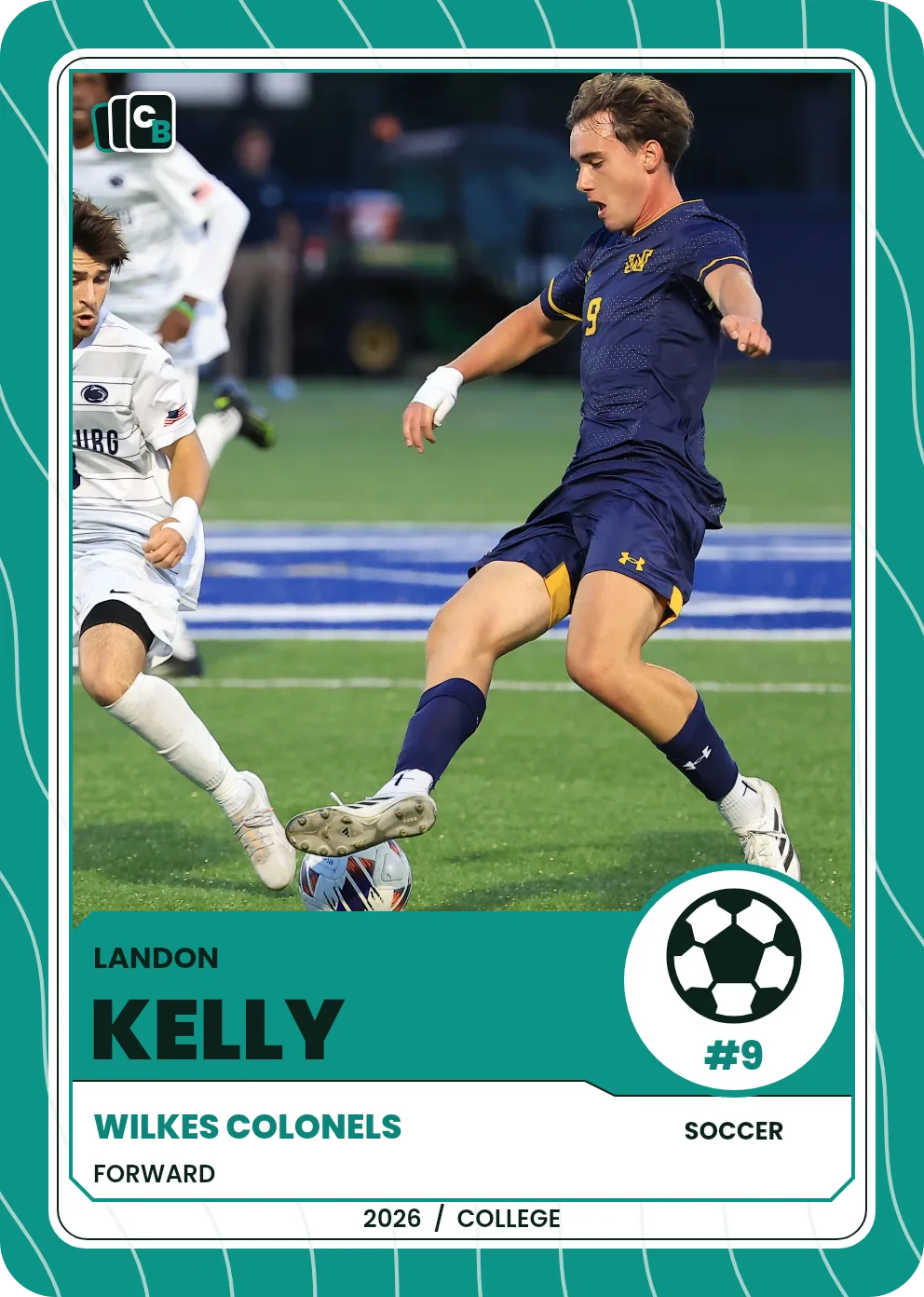
A real game photo. A card for the season.
The same real photo appears in the card beside it. Add your own photo, details and message, then see your preview before ordering.
Free to design · No account needed to start · Preview before ordering.
Source photo

Card preview
Home printing and a finished-card order solve different jobs
If you print cards yourself, the paper must suit both your printer and the printing process. Check the actual printer and media instructions; automatic two-sided printing may have different restrictions from single-sided printing. A paper that works on one setup is not automatically suitable for another.
If your goal is a personal card to keep or give, you can instead design the card and order the finished product. Cardbop’s creator is for adding your own photo and details to supported layouts. This guide does not imply a printable-file export or an arbitrary print-file upload service.
Whichever route you choose, check the image, wording and layout first. Use the before-ordering checklist for the content review.
Corners, care and packaging
Rounded and square corners are production choices, not proof that a card is higher quality. Compare the actual item rather than assuming a corner option is available. Follow material-specific handling and storage guidance; humidity and paper handling can affect particular stocks, and no single care recipe suits every card.
Packaging is separate again. A sealed foil Pack does not mean the cards inside have a holographic or foil surface. Check the card description and the packaging description independently.
Further reading: PrintNinja’s paper terminology and MakePlayingCards’ material examples. These describe general or supplier-specific options, not Cardbop material specifications.
Frequently asked questions
What paper are trading cards printed on?+
Many printed trading cards use cardstock: a heavier, stiffer paper material than ordinary writing paper. The particular stock, thickness, coating and construction vary by producer and product. There is no single specification that describes every trading card.
Is GSM the same as card thickness?+
No. GSM describes mass per unit area; thickness is a separate measurement. Two materials with the same GSM can have different thicknesses and feel. Compare the supplier’s actual specifications rather than using one universal conversion.
Is matte or glossy better for trading cards?+
It depends on the image, handling and viewing conditions. Gloss and matte describe different surface treatments; a sample is more useful than assuming one is universally better. A matte or glossy card sleeve is also different from the finish of the card itself.
Can I make a printed trading card with Cardbop?+
Yes. Add your own photo and details, preview the design, and order a $29.95 Display Card or a $49.95 Card Pack of 10. Use the current product description for what is included; a general paper guide does not establish a particular stock or finish option. Product prices are before applicable tax and shipping. Standard US Ground Shipping is $7.99 per order unless an eligible offer changes it. Review the total and any accepted code before payment.
From a photo to something you can keep
Make the design personal with a photo, a name and a message. Preview both sides before ordering your Cardbop card.
Free to design · No account needed to start · Preview before ordering.